


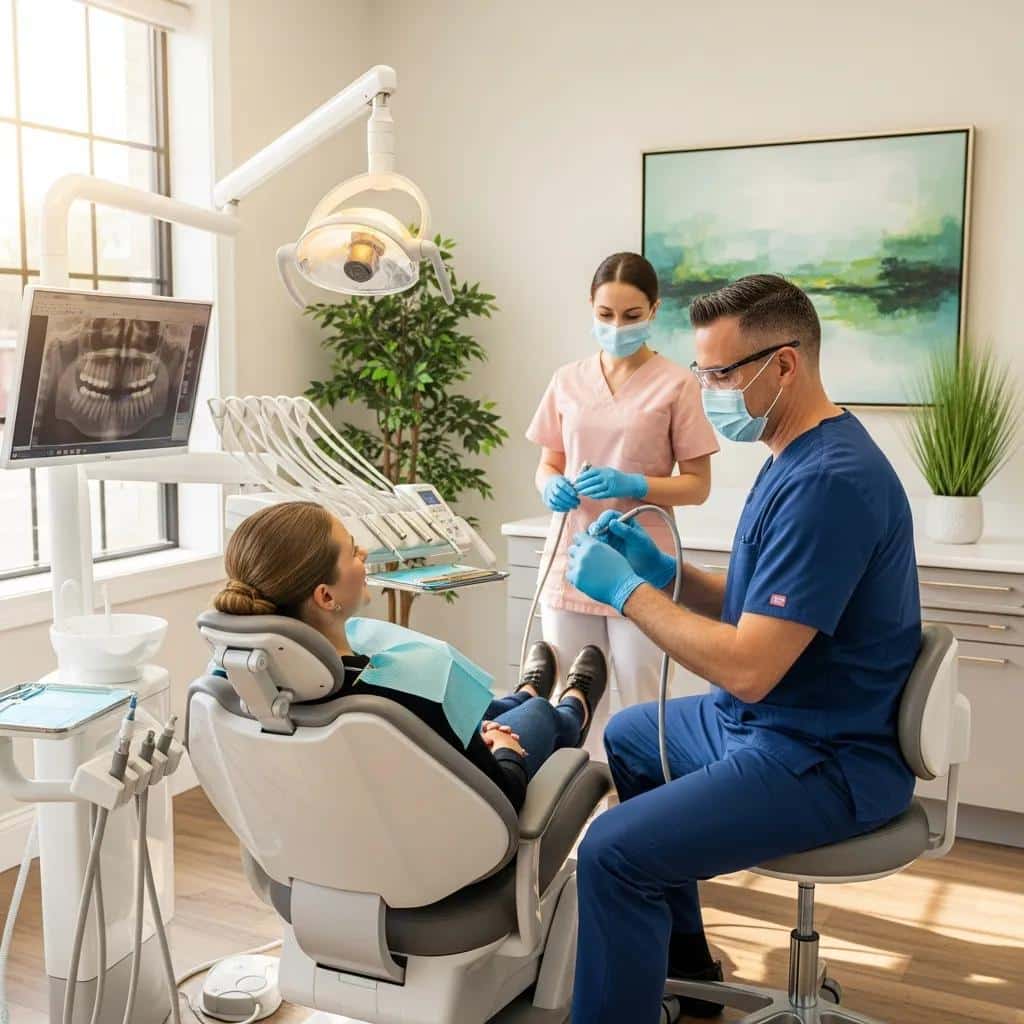
Yes, general dentists can perform scaling and root planing if they are trained and equipped to treat periodontal disease. In more complex cases, they may refer patients to a periodontist for advanced care.
Scaling and root planing (SRP) is an important deep-cleaning treatment used to control gum disease and protect your oral health. Many patients ask whether a general dentist can do this procedure as part of general dentistry services. Below, we cover what SRP is, the training general dentists have, common warning signs that you may need SRP, what to expect during and after the treatment, and typical costs in Rockville, MD. Our goal is to help you feel informed and confident about your options.
What Is Scaling and Root Planing? Understanding Deep Cleaning for Gum Disease
Scaling and root planing is a non‑surgical procedure that removes plaque and tartar from beneath the gum line. The provider cleans the tooth roots and smooths their surfaces so the gums can better reattach to the teeth. SRP helps stop gum disease from getting worse — untreated periodontal disease can eventually lead to tooth loss. Unlike routine dental cleanings, which focus on the visible tooth surfaces, SRP targets the deeper pockets where bacteria collect.
How Does Scaling and Root Planing Treat Periodontal Disease?
SRP treats periodontal disease by removing the bacteria, plaque, and hardened tartar that inflame the gums. Using specialized instruments, the clinician cleans down into the pockets and smooths the root surfaces. That smoothing helps the gums heal and reattach, reduces inflammation, and lowers the chance of tooth loss by addressing the root cause of the infection.
Can a General Dentist Perform Scaling and Root Planing? Roles and Expertise Explained
Yes — general dentists can perform scaling and root planing. They’re trained to diagnose and treat many common dental conditions, including gum disease, and they have the tools to perform SRP safely and effectively. For very advanced cases, though, your dentist may recommend a referral to a periodontist for specialized care.
When Should You See a General Dentist Versus a Periodontist for Deep Cleaning?
See a general dentistry provider or general dentist for SRP if you have early signs of gum disease — mild redness, occasional bleeding, or persistent bad breath. If the condition is more advanced (for example, very deep periodontal pockets, often 5 millimeters or greater, or noticeable bone loss), a periodontist may provide more comprehensive treatment. Your general dentist can examine you and recommend the best next step.
What Training and Tools Does a General Dentist Use for Scaling and Root Planing?
General dentists receive training in periodontal care and use instruments like ultrasonic scalers and hand curettes to remove deposits below the gum line. They often use local anesthesia to keep you comfortable and stay current with continuing education to apply the latest SRP techniques and technologies.
What Are the Signs You Need Scaling and Root Planing? Identifying Gum Disease Symptoms
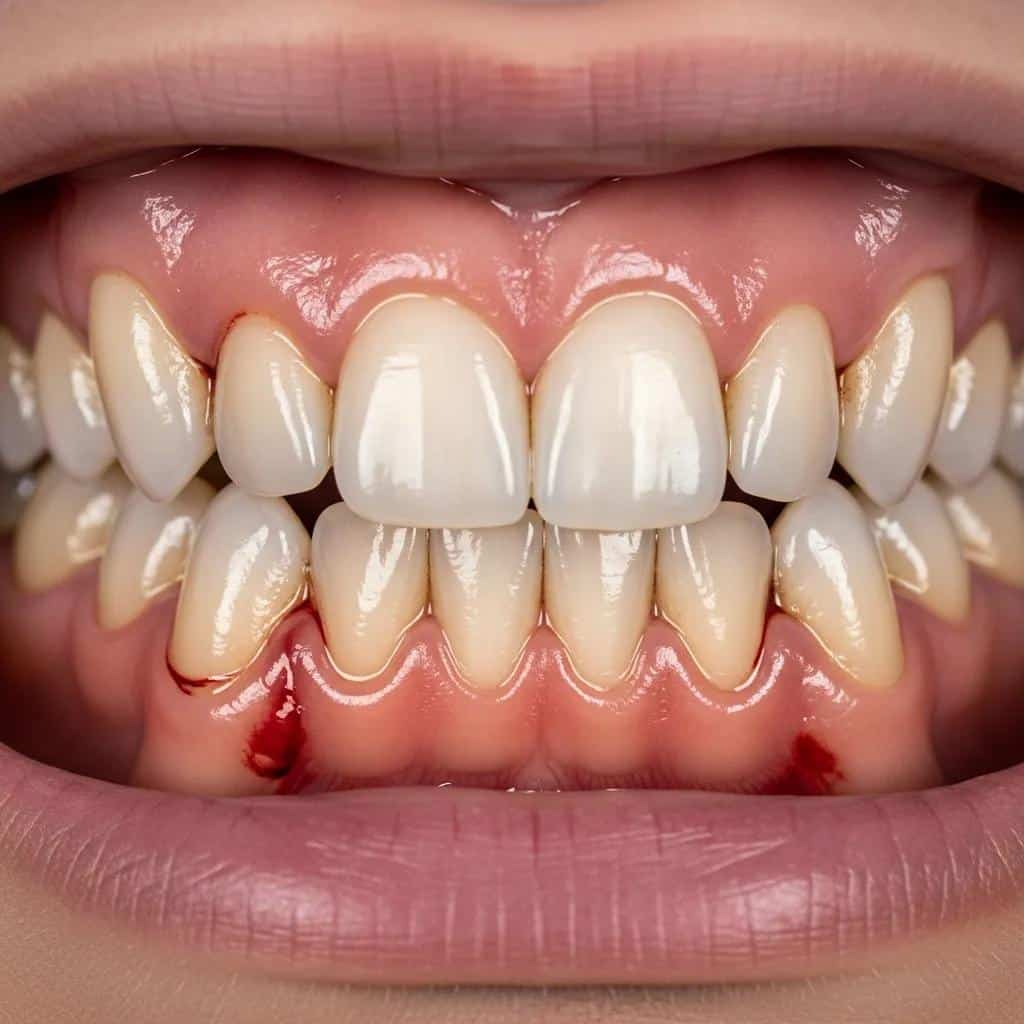
Watch for common signs of gum disease: persistent bad breath, swollen or bleeding gums, and gum recession. If you notice these symptoms, schedule an evaluation so treatment can begin before the condition worsens.
How Are Gum Disease and Periodontal Pockets Diagnosed?
Diagnosis usually includes a thorough exam and periodontal probing to measure pocket depths around your teeth. Pockets greater than about 3 millimeters can signal inflammation; depths of 4 millimeters or more are more consistent with periodontitis and may call for treatments such as SRP. X‑rays are also useful to check for bone loss and evaluate the supporting structures.
What Are the Differences Between Regular Cleaning and Deep Cleaning?
Regular cleanings (typically every six months) remove plaque and tartar from the visible tooth surfaces and help prevent disease. Deep cleaning — scaling and root planing — focuses beneath the gum line where pockets form and bacteria hide. Deep cleaning is recommended when periodontal disease is present and routine cleanings aren’t enough to control it.
What Happens During the Scaling and Root Planing Procedure? Step-by-Step Patient Guide
A typical SRP visit begins with an assessment of your gum health and, if needed, X‑rays to check bone levels. The dentist or hygienist will numb the area with local anesthesia, then carefully remove plaque and tartar from the tooth surfaces and roots. The work may be completed quadrant by quadrant, depending on your needs.
How Is Patient Comfort Managed During Deep Cleaning?
To keep you comfortable, providers commonly use local anesthesia and work at a relaxed pace. Many practices offer small comforts like blankets or music, and clinicians encourage you to tell them if you feel any discomfort so adjustments can be made right away.
What Are the Benefits of Scaling and Root Planing for Gum Health?
SRP reduces inflammation, helps gums reattach to the tooth roots, and lowers the risk of tooth loss. Patients often notice fresher breath and healthier‑looking gums after treatment. By addressing the bacterial source of the disease, SRP supports long‑term oral health when combined with good home care and maintenance visits.
How Should You Care for Your Gums After Scaling and Root Planing? Post-Procedure Tips

Following your dentist’s aftercare instructions is important for a smooth recovery. This usually includes gentle brushing, careful flossing, avoiding certain foods for a short time, and keeping scheduled follow‑up visits. Proper home care helps the treated areas heal and maintains the benefits of SRP.
What Is the Importance of Periodontal Maintenance Following Deep Cleaning?
Periodontal maintenance after SRP is key to preventing recurrence. Regular checkups and cleanings every three to four months let your dental team monitor healing, remove new buildup, and address problems early. Staying on a maintenance schedule preserves the results from deep cleaning.
What Are Common Side Effects and How Can They Be Managed?
After SRP you may have mild soreness, sensitivity, or slight swelling; these symptoms usually fade within a few days to a week. Over‑the‑counter pain relievers, saltwater rinses, and following your clinician’s instructions can help. If symptoms persist or become severe, contact your dentist for further care.
When you’re looking for dental care in Rockville, MD, the practice’s approach and team matter. Crown Dental Care focuses on comfortable, patient‑centered care and clear communication at every step.
How Much Does Scaling and Root Planing Cost in Rockville, MD? Insurance and Appointment Info
The price of scaling and root planing in Rockville depends on how advanced the gum disease is and the specifics of the practice. Typical costs range from $150 to $400 per quadrant. Many dental insurance plans cover a portion of the fee, which can make treatment more affordable.
How Can You Schedule a Deep Cleaning Appointment with Crown Dental Care?
At Crown Dental Care, your oral health is guided by highly trained professionals with years of clinical experience. Dr. Thy B. Nguyen, a recognized dental expert featured on CNN, FOX News, and CNBC, leads our team in providing advanced preventive and restorative care. He earned his Doctor of Dental Surgery (DDS) from the University of Maryland Dental School, graduating top of his class, and holds multiple honors in prosthodontics and dentistry leadership.
Our experienced dental hygienists and endodontic specialists work under Dr. Nguyen’s supervision to ensure deep cleanings and periodontal treatments are safe, thorough, and tailored to each patient’s needs. Whether you’re a first-time visitor or a long-time patient, our team is committed to making your appointment comfortable and stress-free.
What Insurance Options and Payment Plans Are Available for Periodontal Services?
Crown Dental Care accepts many insurance plans and offers flexible payment options for periodontal services. Ask about coverage and payment plans during your consultation so you can get the care you need without unexpected financial stress.
| Procedure | Average Cost | Insurance Coverage | Payment Options |
|---|---|---|---|
| Scaling and Root Planing | $150 – $400 per quadrant | Often covered | Flexible payment plans available |
| Regular Dental Cleaning | $75 – $200 | Typically covered | Various options available |
| Periodontal Maintenance | $100 – $300 | Often covered | Flexible payment plans available |
Frequently Asked Questions
What is the recovery time after scaling and root planing?
Recovery varies, but most people heal within one to two weeks. Mild discomfort, sensitivity, or light swelling is common during this time. Following your dentist’s aftercare steps and attending follow‑up visits helps speed recovery and ensures proper healing.
Are there any alternatives to scaling and root planing?
For early gum disease, alternatives can include more frequent routine cleanings, topical antimicrobial treatments, or localized antibiotic therapy. These options may help in mild cases, but they’re often not enough for advanced periodontal disease. A dental professional can recommend the best course based on your condition.
How often should scaling and root planing be performed?
How often SRP is needed depends on your gum health. Some patients with moderate or severe disease may have SRP every 1 to 2 years, followed by periodontal maintenance cleanings every 3 to 4 months. Your dentist will suggest a schedule tailored to your needs.
Can scaling and root planing help with bad breath?
Yes. If bad breath is caused by gum disease, SRP can reduce odor by removing the plaque, tartar, and bacteria that produce foul smells. Maintaining good oral hygiene and regular maintenance visits after SRP are important to keep breath fresh.
What should I avoid after scaling and root planing?
After SRP, avoid hard, crunchy, or spicy foods that might irritate treated gums. Also avoid smoking and tobacco products, which can delay healing. Follow any specific instructions your dentist gives for the best recovery.
Is scaling and root planing painful?
SRP is usually not painful because local anesthesia is used to numb the area. You may feel some sensitivity or mild discomfort during and after the procedure, but these effects are typically short‑lived and manageable with over‑the‑counter pain relief. Tell your provider if you have any concerns so they can ensure your comfort.
Take Action for Healthier Gums: Scaling and Root Planing with Crown Dental Care
Scaling and root planing is a key treatment for controlling gum disease and protecting your teeth. General dentists can perform SRP effectively, and they’ll refer you to a periodontist when more specialized care is needed. If you think you may need this treatment, contact a dental professional for an evaluation. Schedule an appointment with Crown Dental Care to take the next step toward healthier gums and a more confident smile.
Conclusion
Scaling and root planing is an essential procedure for managing gum disease and safeguarding your oral health within general dentistry care. General dentists are well-equipped to perform this treatment, ensuring you receive the care you need to maintain healthy gums. If you suspect you may require SRP, don’t hesitate to reach out for a professional evaluation. Schedule your appointment with Crown Dental Care today to take the first step towards a healthier smile.